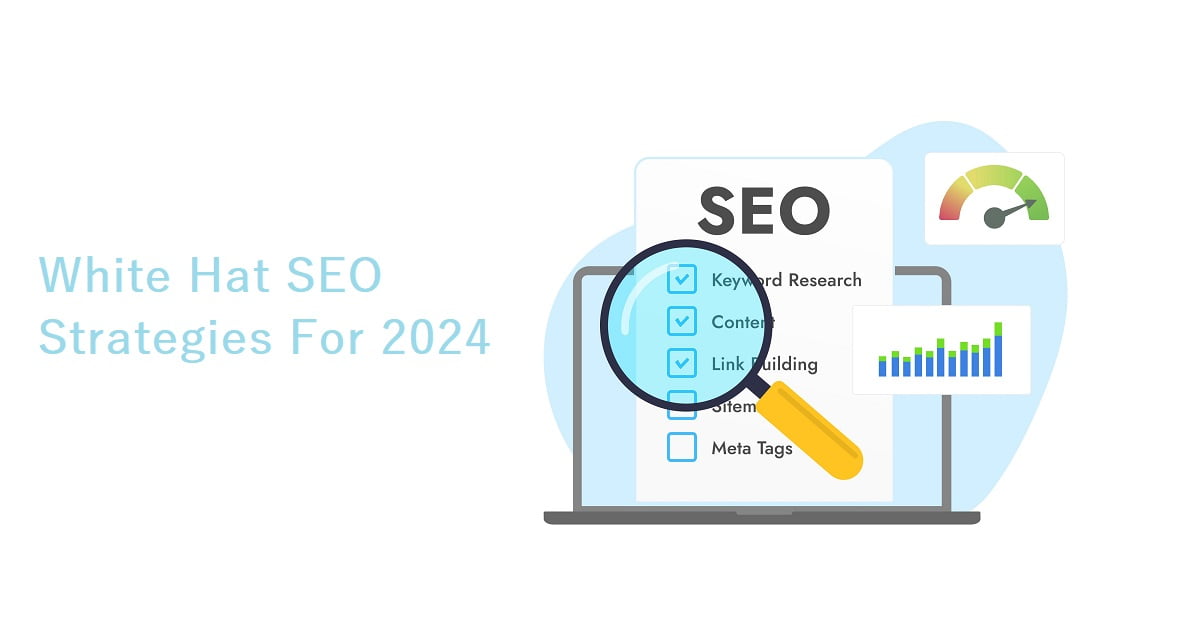
Search engine optimization for Google is the cornerstone of digital success. Ranking high on Google drives organic traffic, boosts brand visibility, and increases conversions. But how do you master Google’s complex algorithms? This comprehensive 5000-word guide answers critical “how-to” questions. We’ll explore keyword research, on-page and off-page SEO, technical optimization, and more. With actionable strategies, practical tips, and the latest 2025 insights, you’ll learn how to optimize your website for Google and attract your target audience in the United States.
Key Takeaways
- SEO enhances your website’s visibility on Google.
- Prioritize keyword research, high-quality content, and technical SEO.
- Use LSI and semantic keywords naturally to improve relevance.
- Align with user intent to meet Google’s ranking criteria.
- Regular updates and monitoring ensure long-term success.
What Is Search Engine Optimization for Google?
Search engine optimization for Google involves strategies to improve your website’s ranking on Google’s search engine results pages (SERPs). It combines keyword research, content creation, link building, and technical enhancements. Google’s algorithms prioritize user experience, relevance, and authority. Optimizing for Google means aligning with these factors to deliver value to users.
Why Is SEO Crucial for Google?
Google commands over 92% of the global search engine market share (StatCounter, 2025). High rankings drive organic traffic, which converts at a higher rate than paid ads—often by 2–3 times (HubSpot, 2025). SEO is cost-effective, builds credibility, and ensures long-term growth. In the U.S., where competition is fierce, effective SEO can set your business apart.
How Does Google’s Algorithm Function?
Google’s algorithm evaluates over 200 ranking factors. Key elements include:
- Relevance: Matching content to user queries.
- Authority: Backlinks from trusted websites.
- User Experience: Fast loading speeds, mobile optimization, and intuitive navigation.
- Content Quality: Fresh, engaging, and informative content.
Google’s 2025 updates emphasize E-A-T (Expertise, Authoritativeness, Trustworthiness) and Core Web Vitals. Understanding these factors is critical for optimization.
How to Start with Search Engine Optimization for Google?
Starting SEO can feel daunting, but a structured approach simplifies the process. Here’s a step-by-step guide to begin.
Step 1: Conduct Thorough Keyword Research
Keyword research identifies terms your audience searches for. Use tools like Ahrefs, SEMrush, or Google Keyword Planner. Focus on three keyword types:
- Primary Keywords: High-volume terms like “search engine optimization for Google.”
- LSI Keywords: Related terms like “Google SEO tips” or “website ranking strategies.”
- Long-Tail Keywords: Specific phrases like “how to optimize a website for Google in 2025.”
Best Keyword Research Tools in 2025
| Tool | Key Features | Cost (2025) | Best For |
|---|---|---|---|
| Ahrefs | Keyword difficulty, backlink analysis | $99–$999/month | Comprehensive SEO analysis |
| SEMrush | Competitor tracking, keyword trends | $119–$449/month | Competitor research |
| Google Keyword Planner | Free, basic keyword data | Free | Beginners |
| Ubersuggest | Affordable, keyword suggestions | $29–$99/month | Small businesses |
How to Choose Keywords?
- Analyze search volume and competition.
- Target keywords with moderate difficulty (KD < 50).
- Prioritize long-tail keywords for niche audiences.
- Use tools to identify semantic keywords like “Google ranking factors.”
Step 2: Understand User Intent
User intent drives Google’s rankings. It reflects what users want when they search. There are four types:
- Informational: Seeking knowledge (e.g., “how to do SEO for Google”).
- Navigational: Finding a specific site (e.g., “Google Search Console”).
- Transactional: Ready to purchase (e.g., “buy SEO software”).
- Commercial Investigation: Comparing options (e.g., “best SEO tools 2025”).
To optimize, match your content to the user’s intent. For example, this article targets informational intent with actionable advice.
Step 3: Analyze Competitors
Study competitors ranking for your target keywords. Use tools like Ahrefs or Moz to:
- Identify their top-performing pages.
- Analyze their backlink profiles.
- Spot gaps in their content you can fill.
For example, if a competitor’s article on “Google SEO strategies” lacks technical SEO tips, include them in your content.
How to Optimize On-Page SEO for Google?
On-page SEO focuses on elements within your website. It directly impacts how Google interprets and ranks your pages.
Craft Optimized Title Tags
Title tags are critical for SEO. They tell Google and users what your page is about. Best practices:
- Keep titles under 60 characters.
- Include the primary keyword early (e.g., “Search Engine Optimization for Google: 2025 Guide”).
- Make them compelling to boost click-through rates (CTR).
Write Effective Meta Descriptions
Meta descriptions summarize your page in SERPs. They don’t directly impact rankings but influence CTR. Tips:
- Keep them under 155 characters.
- Use the primary keyword naturally.
- Include a call-to-action (e.g., “Learn how!”).
Example Meta Description: “Master search engine optimization for Google with expert tips on keywords, content, and technical SEO to boost your website’s ranking.”
Use Header Tags Strategically
Header tags (H1, H2, H3, H4) structure your content. They improve readability and SEO. Guidelines:
- Use one H1 per page with the primary keyword.
- Include LSI keywords in H2 and H3 tags.
- Break up long sections with H4 tags for clarity.
Create High-Quality, User-Focused Content
Content is the heart of SEO. Google rewards content that’s:
- Relevant to the user’s query.
- Well-researched and informative.
- Easy to read with short sentences and paragraphs.
Content Creation Tips
- Use bullet points and numbered lists for clarity.
- Incorporate semantic keywords like “SEO best practices” or “Google algorithm updates.”
- Aim for 1500–2500 words for in-depth topics.
- Update content every 6–12 months to stay fresh.
Optimize Images for SEO
Images enhance user engagement but can slow down your site. Optimize them by:
- Compressing images to reduce file size (use tools like TinyPNG).
- Using descriptive alt text with keywords (e.g., “SEO for Google checklist”).
- Choosing relevant file names (e.g., “google-seo-tips.jpg”).
Internal Linking
Internal links connect related pages on your site. They help Google understand your site’s structure. Benefits:
- Improves user navigation.
- Distributes link equity across pages.
- Encourages users to spend more time on your site.
Example: Link to a blog post on “technical SEO” from this article.
How to Master Off-Page SEO for Google?
Off-page SEO builds your site’s authority and reputation. It happens outside your website.
Build High-Quality Backlinks
Backlinks are like votes of confidence. Google values links from authoritative, relevant sites. Strategies:
- Write guest posts for reputable blogs.
- Use outreach to request links from industry leaders.
- Create shareable content like infographics or case studies.
Backlink Strategies
| Strategy | Benefits | Tools to Use |
|---|---|---|
| Guest Blogging | Builds authority, drives traffic | BuzzStream, Pitchbox |
| Broken Link Building | Replaces dead links with your content | Check My Links |
| Skyscraper Technique | Improves existing content | Ahrefs, Moz |
Avoid low-quality or spammy links—they can trigger Google penalties.
Leverage Social Media
Social media doesn’t directly impact rankings. However, it amplifies your content’s reach. Tips:
- Share blog posts on platforms like X, LinkedIn, and Reddit.
- Use engaging visuals and hashtags.
- Respond to comments to build community.
Monitor Brand Mentions
Unlinked brand mentions are missed opportunities. Use Google Alerts or Mention to track mentions. Reach out to sites and request links. For example, if a blog mentions your tool, ask them to link to your site.
How to Perfect Technical SEO for Google?
Technical SEO ensures Google can crawl, index, and rank your site. It’s the backbone of SEO success.
Optimize Site Speed
Site speed is a critical ranking factor. Google’s Core Web Vitals measure user experience. Key metrics:
- Largest Contentful Paint (LCP): Under 2.5 seconds.
- First Input Delay (FID): Under 100 milliseconds.
- Cumulative Layout Shift (CLS): Under 0.1.
Use Google PageSpeed Insights or GTmetrix to identify issues. Common fixes:
- Compress images and videos.
- Minify CSS and JavaScript.
- Use a content delivery network (CDN) like Cloudflare.
Ensure Mobile-Friendliness
Over 60% of Google searches are mobile (Statista, 2025). A mobile-friendly site is non-negotiable. Steps:
- Use responsive design for all devices.
- Test with Google’s Mobile-Friendly Test tool.
- Avoid pop-ups that disrupt mobile users.
Fix Broken Links and Redirects
Broken links harm user experience and SEO. Use tools like Screaming Frog to find:
- 404 errors (page not found).
- 301 redirects (permanent redirects).
- 500 errors (server issues).
Fix broken links by updating URLs or redirecting to relevant pages.
Submit an XML Sitemap
An XML sitemap lists all your site’s pages. It helps Google crawl efficiently. Create one using:
- Yoast SEO or Rank Math plugins.
- Manual tools like XML-Sitemaps.com.
Submit your sitemap via Google Search Console.
Implement Schema Markup
Schema markup adds structured data to your site. It helps Google understand your content. Examples:
- FAQ schema for question-based content.
- Article schema for blog posts.
- Product schema for e-commerce.
Use Google’s Structured Data Markup Helper to implement it.
How to Use LSI and Semantic Keywords Effectively?
LSI keywords (Latent Semantic Indexing) and semantic keywords add context to your content. They help Google interpret your page’s relevance.
Why Are LSI and Semantic Keywords Important?
Google’s algorithms, like RankBrain, analyze context. LSI keywords (e.g., “Google SEO techniques”) and semantic keywords (e.g., “improve website ranking”) prevent keyword stuffing. They make content natural and user-focused.
How to Find LSI and Semantic Keywords?
- Use tools like LSIGraph or AnswerThePublic.
- Check “People Also Ask” and “Related Searches” on Google.
- Analyze competitor content for related terms.
Tips for Implementation
- Sprinkle keywords in headers, body text, and alt text.
- Use variations naturally (e.g., “SEO for Google” and “Google optimization tips”).
- Avoid overuse to maintain readability.
How to Optimize for Google Discover?
Google Discover delivers personalized content to users. It’s a powerful traffic source, with over 800 million monthly active users (Google, 2025).
Create Engaging, Visual Content
Discover prioritizes visually appealing content. Tips:
- Use high-resolution images and videos.
- Write catchy headlines (e.g., “10 SEO Hacks to Dominate Google in 2025”).
- Cover trending topics relevant to your niche.
Focus on E-A-T
Google’s E-A-T guidelines are critical for Discover. To demonstrate expertise:
- Include author bios with credentials.
- Link to authoritative sources.
- Avoid misleading or low-quality content.
Publish Fresh Content
Discover favors fresh content. Strategies:
- Update old posts with new data.
- Publish timely articles (e.g., “2025 Google Algorithm Updates”).
- Use evergreen topics for consistent traffic.
How to Track and Measure SEO Success?
Tracking performance ensures your SEO efforts deliver results. Use these tools and metrics.
Google Analytics 4 (GA4)
GA4 provides insights into traffic and user behavior. Monitor:
- Organic traffic growth (aim for 10–20% monthly increase).
- Bounce rate (target <50%).
- Conversion rate for goals like sign-ups or purchases.
Google Search Console
Search Console tracks keyword performance. Key metrics:
- Click-through rate (CTR): Aim for 2–5% for top 10 rankings.
- Impressions: Shows visibility.
- Average position: Track keyword rankings.
Other Tools
| Tool | Purpose | Cost (2025) |
|---|---|---|
| Moz | Backlink and keyword tracking | $99–$599/month |
| Screaming Frog | Site audits, broken link detection | $259/year |
| Hotjar | User behavior analysis (heatmaps) | $39–$189/month |
Key SEO Metrics to Track
- Organic traffic: Measures visitor growth.
- Keyword rankings: Tracks position for target keywords.
- Backlinks: Monitors link quality and quantity.
- Core Web Vitals: Ensures optimal user experience.
How to Stay Updated with Google’s Algorithm Changes?
Google updates its algorithm multiple times yearly. Staying informed keeps your strategy relevant.
Follow Reputable SEO Blogs
Top blogs for 2025 updates:
- Search Engine Journal: Covers algorithm changes and trends.
- Moz Blog: Offers in-depth SEO guides.
- Search Engine Land: Reports on Google’s updates.
Monitor Google’s Official Channels
Stay updated via:
- Google Search Central Blog: Official algorithm announcements.
- @GoogleSearchC on X: Real-time updates.
- Google Webmaster YouTube: Video tutorials.
Experiment and Adapt
Test new strategies, like voice search optimization or AI content tools. Monitor results with GA4. Adjust based on performance data.
How to Optimize for Voice Search and AI Overviews?
Voice search and AI-driven results are growing. By 2025, 50% of searches may be voice-based (ComScore).
Optimize for Voice Search
Voice queries are conversational. Tips:
- Target long-tail keywords (e.g., “how to improve SEO for Google”).
- Use FAQ sections to answer common questions.
- Optimize for local SEO (e.g., “SEO services near me”).
Adapt to AI Overviews
Google’s AI Overviews summarize content. To rank:
- Use structured data (e.g., FAQ schema).
- Answer questions directly in content.
- Include semantic keywords for context.
How to Avoid Common SEO Mistakes?
Avoiding pitfalls ensures steady progress. Common mistakes include:
- Keyword Stuffing: Overusing keywords harms readability.
- Ignoring Mobile Optimization: Hurts rankings with mobile-first indexing.
- Neglecting Backlinks: Low authority limits ranking potential.
- Outdated Content: Reduces relevance over time.
Summary
Mastering search engine optimization for Google requires a strategic approach. Start with thorough keyword research to target user intent. Optimize on-page elements like title tags, meta descriptions, and content quality. Build authority through backlinks and social engagement. Perfect technical SEO with fast loading speeds, mobile optimization, and schema markup. Use LSI keywords and semantic terms naturally to enhance relevance. Optimize for Google Discover and voice search to stay ahead. Track performance with GA4 and Search Console. Stay updated with Google’s algorithm changes to adapt quickly. By implementing these strategies, your website can dominate Google’s rankings in the U.S. and drive sustainable traffic.
FAQs
- What is search engine optimization for Google?
SEO for Google involves optimizing your website to rank higher on Google’s SERPs. It includes keyword research, content creation, and technical fixes. - How long does SEO take to show results?
SEO typically takes 3–6 months for noticeable results. High competition or new websites may take longer. - What are LSI keywords, and why do they matter?
LSI keywords are related terms that add context. They help Google understand your content and improve rankings. - How do I optimize for Google Discover?
Create engaging, visual content. Focus on E-A-T, trending topics, and fresh updates to attract Discover traffic. - Why is mobile-friendliness critical for SEO?
Over 60% of searches are mobile. Google’s mobile-first indexing prioritizes mobile-friendly sites. - What are the best SEO tools for 2025?
Ahrefs, SEMrush, Google Analytics 4, and Search Console are top tools for keyword research, tracking, and audits. - How do backlinks improve Google rankings?
Backlinks from authoritative sites signal trust. They boost your site’s credibility and ranking potential. - What is technical SEO, and why is it important?
Technical SEO ensures Google can crawl and index your site. It includes site speed, mobile optimization, and sitemaps. - How often should I update my content?
Update content every 6–12 months to stay relevant. Fresh content improves rankings and user engagement. - Can I do SEO without hiring an expert?
Yes, with tools and knowledge, DIY SEO is possible. However, experts can accelerate results and handle complex tasks.